What Is a FORTIFIED Roof?
A FORTIFIED Roof is a roof that meets specific construction and verification requirements developed by the Insurance Institute for Business & Home Safety (IBHS). This voluntary program focuses on reducing damage from severe weather through stronger installation details and documented construction.
For homeowners in Savannah, Coastal Georgia, and the South Carolina Lowcountry, a roof replacement is an opportunity to discuss these upgrades before work begins. Many of the important details are beneath the finished roof covering.
Four Details That Help Strengthen Your Roof
Stronger roof edges
Wind can get beneath vulnerable roof edges and begin lifting the roof covering. FORTIFIED specifies edge materials and installation methods designed to improve resistance at these locations.
A sealed roof deck
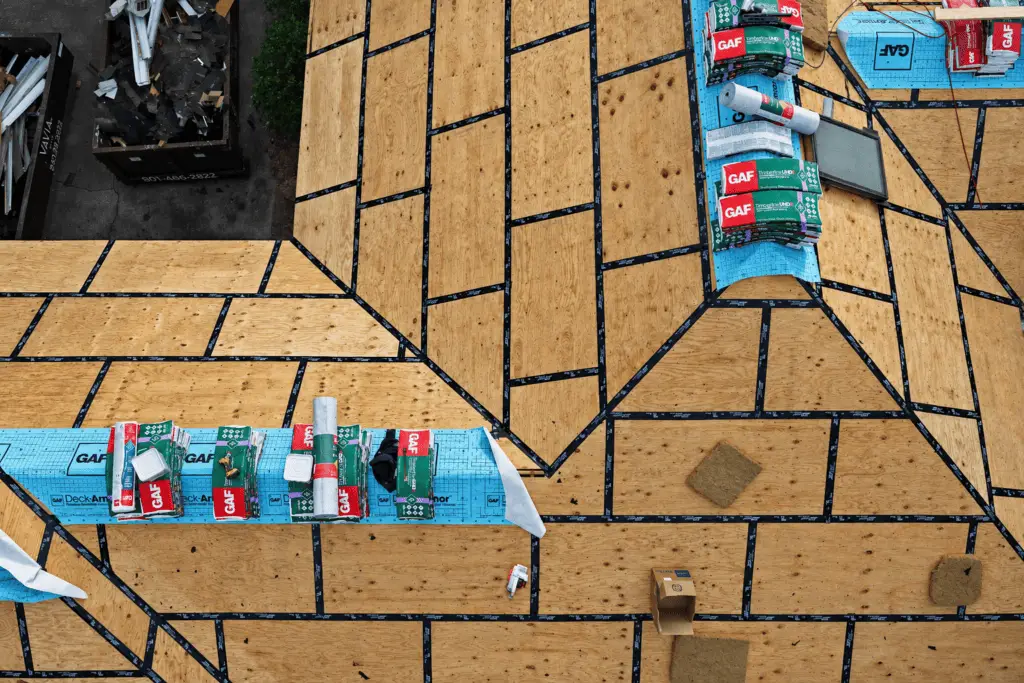
If a storm damages the roof covering, water can enter through gaps in the decking below. An approved sealed roof deck system helps limit that pathway into the home.
Improved roof deck attachment
The connection between the decking and roof framing matters. FORTIFIED includes attachment requirements intended to help the decking resist wind uplift.
Tested roof coverings
Roof coverings must meet the applicable testing and rating requirements. The program accommodates multiple roof types, including shingles and metal. Additional requirements apply when pursuing the optional Hail Supplement.
Read the official FORTIFIED Roof overview for more information about these features.
Installation and Verification Work Together
Choosing upgraded materials does not automatically give a home a FORTIFIED designation. The project must meet the applicable requirements and complete the verification process.
A certified FORTIFIED Evaluator documents the required details during the project and submits the information to IBHS. IBHS reviews the submission and issues a designation certificate when the requirements are met.
Bring the evaluator into the planning process before construction starts. Some details become concealed as roofing work progresses, so documentation needs to be coordinated with installation.
A contractor’s training or certification is separate from the designation issued for your property. Ask who will coordinate the evaluation, what documentation is included, and how you will receive your certificate.
See the FORTIFIED getting-started guide for an explanation of the process.
What Should Your Estimate Explain?
Before choosing a FORTIFIED Roof project, ask for a written explanation of the proposed work and costs. Useful questions include:
- Which designation and requirements are included in the proposal?
- What work is needed on the existing decking?
- How will concealed damage and additional repairs be priced?
- Which roofing products and accessories will be installed?
- Who is the evaluator, and are evaluation fees included?
- Who will collect and submit the required documentation?
- What manufacturer and workmanship warranties apply?
- What happens if an existing condition affects eligibility?
Ask for the FORTIFIED-related scope to be clearly identified so you can compare proposals and understand what you are purchasing.
Questions Homeowners Often Ask
Does a FORTIFIED Roof make my home stormproof?
No. The program is intended to reduce damage risk. It does not guarantee that a roof or home will escape every storm without damage. Continue to follow emergency guidance and maintain your property.
Does every FORTIFIED Roof require impact-resistant shingles?
No. The optional Hail Supplement has additional roof-cover requirements. Discuss the designation being pursued and the products that qualify for your project instead of assuming that an impact rating alone establishes compliance.
Can an existing home qualify?
Existing homes can be candidates for FORTIFIED. Eligibility depends on the building, roof condition, proposed work, and available documentation. Have a qualified evaluator assess the property rather than assuming that a recently installed roof automatically qualifies.
Will I receive an insurance discount?
Ask your insurance agent whether your property and policy qualify for a FORTIFIED-related incentive. Request the eligibility requirements and any potential savings in writing before including them in your budget.
Does the designation replace my roof warranty?
No. Keep the designation certificate, manufacturer warranty, and contractor workmanship warranty as separate records. Ask what each document covers and what maintenance or registration requirements apply.
Does the designation need to be renewed?
Yes. FORTIFIED designations generally have a five-year term. Check the expiration date on your certificate and coordinate renewal with a certified evaluator. Renewal includes reviewing the home’s condition and documenting relevant changes.
Visit the official designation renewal page for current guidance.
Plan for Maintenance and Future Work
Keep your designation certificate, installation photographs, product information, and warranty documents together. These records are useful when discussing repairs, insurance, or future improvements.
Tell contractors that your home has a FORTIFIED designation before authorizing roof alterations or repairs. Consult your evaluator about documentation needed to maintain compliance, particularly after storm damage or changes to the building.
Discuss Your Roof with Patriot Pros Roofing
At Patriot Pros Roofing, we help homeowners compare roofing options and understand the installation details included in their estimates. Your dedicated project manager provides a point of contact throughout the work.
Explore our roofing services, browse our project gallery, or visit our service areas page to find your community.
Contact our team to schedule a free roof inspection and discuss whether a FORTIFIED Roof project is appropriate for your home.