DIY Roofing Mistakes That Can Turn a Small Repair Into a Bigger Problem
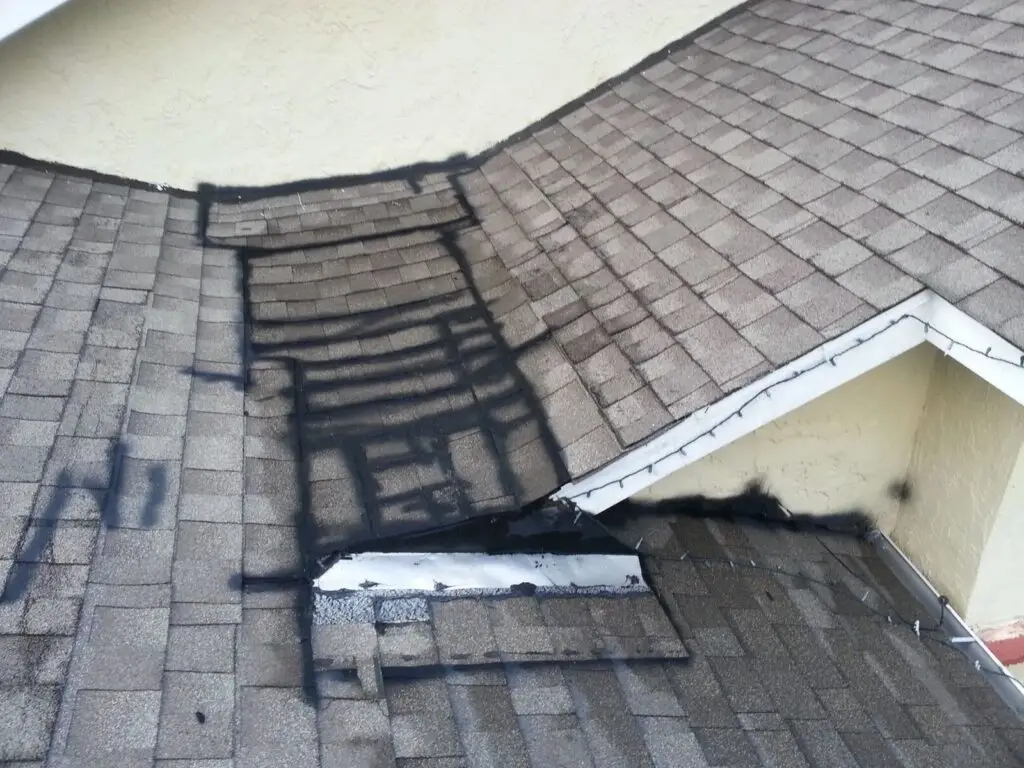
DIY roofing mistakes often start with good intentions. A homeowner notices a leak, a loose shingle, or a suspicious patch and wants to address it quickly. But a repair that covers the visible problem may leave the source of the water untouched.
A roof is a system of shingles, underlayment, flashing, ventilation, and other components. Understanding how those parts work together matters more than finding a product that promises a quick fix. For homeowners in Savannah, Coastal Georgia, and the South Carolina Lowcountry, these are common mistakes to avoid.
Working Without Understanding the Safety Risks
Getting onto a roof introduces risks that are easy to underestimate from the ground. Slopes, loose granules, wet surfaces, damaged decking, and ladder transitions can make a seemingly simple repair hazardous.
Start by documenting what you can see from a safe location. Photograph visible damage from the ground and note when a leak occurs. Leave roof access and close inspection to a qualified professional with appropriate equipment. If a storm has caused structural damage or brought down power lines, keep clear of the affected area.
Repairing Where the Water Appears
A ceiling stain does not necessarily sit directly below the point where water enters. Water can travel along framing or other surfaces before becoming visible inside the home.
One of the most common DIY roofing mistakes is treating the stain location as the source of the leak. A proper assessment considers nearby roof penetrations, flashing, valleys, damaged shingles, and other possible entry points. Explain to your contractor whether the leak happens during every rain, only during wind-driven rain, or under particular conditions.
Using Sealant as a Substitute for Proper Flashing
Sealants have legitimate uses when specified for a particular roofing detail. However, coating a problem area with more material does not automatically correct the underlying defect.
Flashing helps direct water away from vulnerable locations such as walls, chimneys, and roof penetrations. If flashing is missing, damaged, or incorrectly integrated with the surrounding materials, a surface patch may leave the original problem in place.
Ask what failed and how the proposed repair will restore the water-shedding detail. GAF’s guide to roof flashing explains the role these components play.
Overlooking Materials and Fastening Requirements
Shingles that look similar may have different installation requirements. Fastener type, placement, and installation details need to match the roofing product and the conditions of the project.
Improperly placed or driven fasteners can affect how roofing materials perform. Mixing incompatible repair products can create additional problems. Before approving work, ask which materials will be used and whether the repair follows the applicable manufacturer’s instructions.
Covering Damage Without Checking What Is Underneath
A new layer of material can hide damage without resolving it. Soft decking, deteriorated flashing, or moisture-related problems may require attention before the surface is repaired.
Installing roofing over an existing covering is not automatically appropriate or automatically wrong. Its suitability depends on the existing roof, applicable requirements, and the proposed roofing system. Ask what the inspection found and whether removing materials is necessary to assess the condition underneath.
Ignoring Ventilation and Moisture Conditions
Not every moisture problem begins with a hole in the roof. Attic conditions, ventilation, insulation, and indoor air leakage can also deserve investigation.
Adding vents without evaluating the existing arrangement may not solve the issue. Similarly, insulation should not obstruct ventilation pathways where those pathways are required. A useful assessment distinguishes a roof leak from other moisture concerns and identifies when another qualified trade should be involved.
Starting Work Without a Weather Plan
Opening a roof creates a need to protect the building until the work is complete. An unexpected shower, missing material, or repair that becomes larger than anticipated can complicate the project.
Before work begins, discuss weather monitoring, temporary protection, material availability, and what happens if additional damage is uncovered. These practical questions help you understand how the contractor plans to protect your home during the repair.
Assuming Every Warranty Works the Same Way
Product warranties and workmanship coverage address different issues. Coverage depends on the written terms, the cause of the problem, and any applicable installation or eligibility requirements.
DIY work does not automatically erase every warranty, but damage caused by an improper repair may not be covered. Before modifying the roof, review your documents and ask the manufacturer or original contractor how the proposed work could affect coverage.
Get Answers Before Adding Another Patch
Avoiding DIY roofing mistakes starts with understanding the problem before choosing the repair. Ask for photographs, an explanation of the findings, and a written scope describing the recommended work. Also ask how any additional damage discovered during the repair will be documented and priced.
At Patriot Pros Roofing, we help homeowners understand their roof’s condition and discuss practical options. Depending on the findings, that may mean a targeted repair, further investigation, or planning for replacement.
Explore our roofing services, view completed work in our project gallery, or check our service areas. To schedule a free roof inspection, call 912-665-3338.